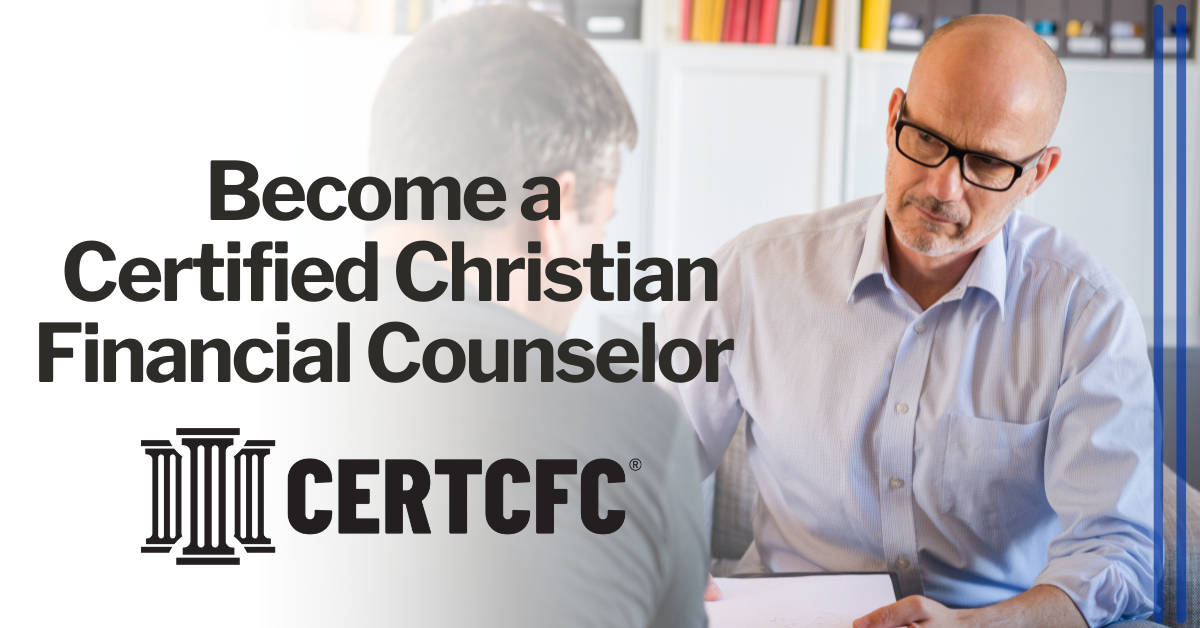
5 Conversations Every Christian Financial Counselor Must Be Ready to Have

Christian financial counselors rarely deal with numbers alone. Behind every budget, debt balance, or investment decision is a story about fear, hope, relationships, and faith. While spreadsheets matter, the most impactful counseling moments often happen in the conversations that reveal what’s happening beneath the numbers.
Here are five conversations every Christian financial counselor should be prepared to navigate with wisdom, grace, and practical direction.
1. “We make good money but feel broke.”
This is one of the most common and confusing situations clients bring to counseling. On paper, the numbers should work. Yet the clients feel constant pressure.
Often, the problem isn’t income. It’s lifestyle inflation.
As income rises, spending tends to increase. Upgraded homes, nicer vehicles, travel, subscriptions, and convenience spending quietly absorb financial margin.
When this conversation arises, counselors should start with curiosity rather than correction. Ask questions such as:
- “When did you first start feeling this pressure?”
- “What spending increased as your income increased?”
- “If your income dropped by 10%, where would you adjust first?”
These questions help clients see where their lifestyle has expanded. The goal isn’t guilt. It’s clarity. Once clients recognize where their margin disappeared, they can begin realigning their spending with their priorities.
2. “My spouse won’t engage.”
Financial counseling often reveals something deeper than a budgeting issue. It reveals a relationship dynamic.
In many households, one spouse manages the finances while the other avoids them. Sometimes the disengaged spouse feels overwhelmed, uninterested, or even ashamed about past decisions.
The key for financial counselors is to lower the emotional stakes of money conversations.
Encourage couples to shift from blame to teamwork. Instead of asking, “Why aren’t you helping with the finances?” guide them toward questions like:
- “What part of money management feels most stressful to you?”
- “What role would you feel comfortable playing in our finances?”
- “What financial goals matter most to you personally?”
Even small engagement steps, like reviewing the budget together once a month, can transform financial decision-making in a marriage.
3. “We’re drowning in debt and ashamed.”
Debt often comes with a heavy emotional burden. Many people feel embarrassed, defeated, or spiritually discouraged by their financial mistakes.
For Christian financial counselors, the first step is addressing the shame.
Remind clients that debt does not define their identity. Their identity is found in Christ, not in a balance sheet. Once that emotional weight begins to lift, clients are often more open to practical solutions.
Then help them create a clear, achievable plan. This usually involves:
- Listing all debts clearly
- Prioritizing repayment (often using a snowball or avalanche strategy)
- Creating spending adjustments that accelerate progress
Celebrating small wins, such as paying off the first debt, can help rebuild confidence and motivation.
4. “We don’t trust the church with our money.”
This conversation requires humility and careful listening. Sometimes the hesitation comes from past negative experiences with church leadership or financial transparency.
Rather than immediately defending the church, counselors should seek to understand the concern.
Ask questions like:
- “What experiences shaped your perspective on this?”
- “What would help build trust for you?”
From there, counselors can gently reframe giving as an act of worship rather than merely an institutional contribution. The focus shifts from the church as an organization to generosity as a spiritual discipline.
5. “We’ve won financially but feel empty.”
Some clients eventually reach a point where they have little debt, solid savings, and high income, but still feel dissatisfied.
This moment creates a powerful opportunity for deeper discipleship.
Many people spend years pursuing financial stability, only to discover that money cannot ultimately provide meaning or fulfillment.
Counselors can guide these clients to ask larger questions:
- “What is God calling you to do with the resources He’s entrusted to you?”
- “How could your finances expand your impact for the Kingdom?”
- “What would generosity look like at a new level?”
For many clients, this conversation moves them from financial success to financial purpose.
The Counselor’s Role
Christian financial counselors do far more than help people manage money. They help people align their finances with their faith.
And the most powerful breakthroughs often begin with the right conversation.