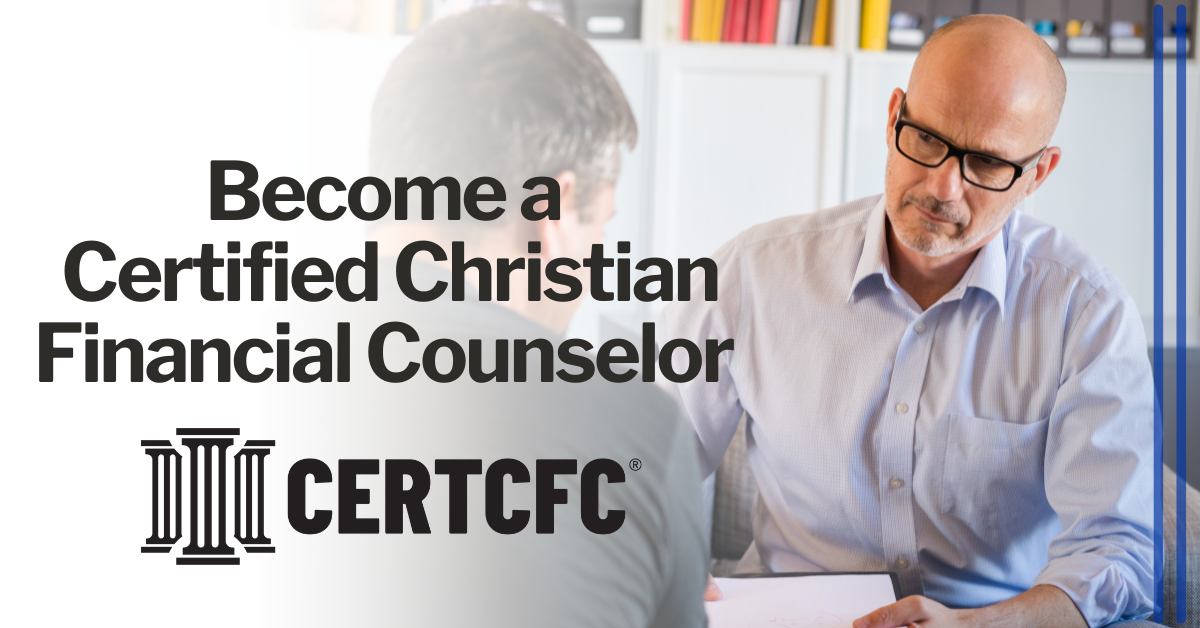
The Office as a Discipleship Environment

For Christian financial counselors, the office is more than a place to review budgets and debt payoff plans.
It’s a ministry environment.
Every conversation about money eventually touches something deeper: identity, trust, fear, contentment, and obedience. In that sense, your office is not just a workspace; it’s a setting for discipleship.
Financial counseling often intersects with spiritual formation because money issues are rarely just mathematical. Clients walk in carrying anxiety, shame, or misplaced hope. Some have tied their identity to financial success; others feel defined by their financial failures.
The environment you create can either reinforce those burdens or help lift them. A thoughtfully designed space communicates something before you ever speak: You are safe here. There is hope here. This is a place for growth.
Designing for Gospel-Centered Conversations
A cold, clinical office can feel transactional, while an overly formal setup can create distance. Instead, aim for a space that feels warm, calm, and inviting without losing purpose. Soft lighting, minimal distractions, and an intentional layout can help shift a client from anxiety to reflection.
Furniture placement plays a key role here. Many offices default to a desk-centered setup, where the counselor sits behind a desk, and the client sits across from it. While functional, this arrangement can unintentionally feel evaluative, subtly communicating authority rather than partnership.
A better approach is to prioritize collaboration over confrontation. Sitting side-by-side or at a slight angle (rather than directly across) communicates, “We’re in this together.” When reviewing a budget or debt plan, position materials so both of you can see them equally, something you’re working through together, not something you’re presenting.
If you do use a desk, be strategic. Keep it off to the side rather than as a barrier. A small table or open seating area can make a significant difference. Chairs should be equal in height and comfortably supportive, reinforcing dignity and trust. These small adjustments help create an environment where clients feel respected, not managed.
Creating an Atmosphere That Supports Transformation
Beyond furniture, the overall atmosphere should support spiritual formation. Order and organization reflect intentionality and competence, allowing clients to focus without distraction. A calm environment, through lighting, color, and noise control, can reduce anxiety and open the door for deeper conversations.
Thoughtful visual elements can also reinforce truth. A carefully chosen Scripture or symbol can quietly point to hope, provision, and stewardship without overwhelming the space. The goal is not to preach through décor, but to create an environment where gospel-centered conversations feel natural.
Hospitality matters as well. A comfortable chair, a clean space, or even a simple offer of water communicates care and dignity. These small touches reflect a heart of service and help lower defenses, making it easier for clients to engage honestly.
Removing Barriers and Aligning the Message
It’s just as important to eliminate what hinders transformation. Clutter, noise, lack of privacy, or even overly luxurious décor can distract or intimidate.
Your goal is not to impress but to serve.
The environment should align with what you teach. If you emphasize contentment and stewardship, your space should reflect those values.
What If You Don’t Have an Office?
Of course, many Christian financial counselors don’t have a dedicated office. They meet in shared spaces, coffee shops, church rooms, or, most commonly, online. But the principle remains the same: you are still shaping an environment for discipleship.
For in-person meetings in shared spaces, look for ways to create intentionality within your limitations. Choose quieter areas, minimize distractions, and be mindful of seating arrangements, even if they’re temporary.
For virtual sessions, your “office” becomes what’s on screen. Pay attention to your background, lighting, and camera placement. A clean, uncluttered backdrop communicates order and professionalism. Good lighting helps clients see your expressions, reinforcing connection and trust. Even your posture and eye contact (looking at the camera) contribute to a sense of presence and care.
In both cases, the goal is the same: remove distractions, foster connection, and create a setting where meaningful, honest conversations can take place.
Designing for Eternal Impact
You don’t need a perfect or expensive office to create a discipleship environment. Faithfulness matters more than aesthetics. Whether your space is permanent or temporary, physical or virtual, what matters most is intentionality.
Your office is not just where financial plans are made. It’s where lives are shaped. When designed well, it becomes a space that supports the work God is already doing in the hearts of those you serve.