Spend Like It Matters: A Biblical Lens on the Psychology of Money
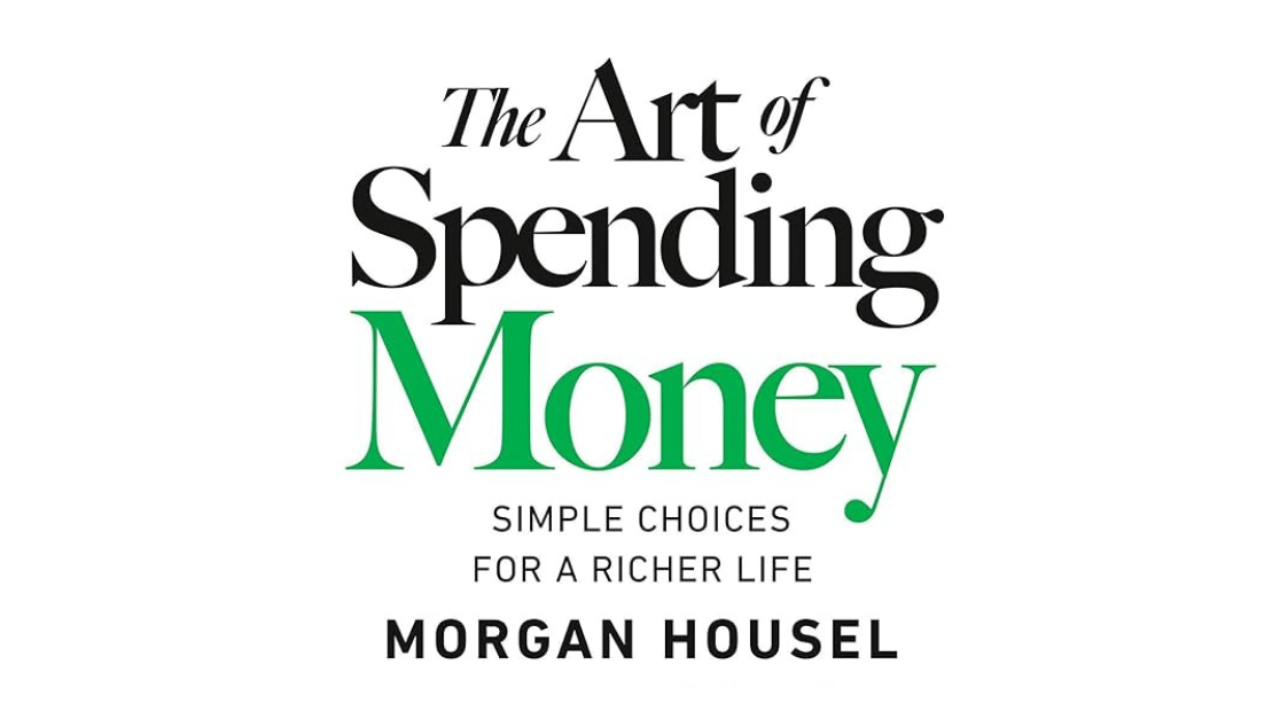
In his book The Art of Spending Money, Morgan Housel makes a compelling case: spending well isn’t primarily about math but psychology. While this is not a Christian book, many of its insights align closely with timeless biblical principles about money, contentment, and purpose.
Money as a Tool for Freedom
At its core, Housel argues that money’s greatest value is not what it can buy, but what it can free. Financial resources, when used wisely, can provide margin, flexibility, and control over one’s time.
Scripture echoes this idea in a deeper way. While money itself is not the ultimate source of freedom, it can serve wise purposes. As Ecclesiastes 10:19 notes, money has a practical role in life. Yet the Bible consistently points beyond money to a greater freedom found in trusting God rather than possessions.
The Danger of Status Spending
One of the strongest warnings in Housel’s work is against status spending, using money to impress others. This is where biblical wisdom speaks loudly. Living for the approval of others instead of God is a dangerous trap. When spending decisions are driven by image rather than need or purpose, they often lead to financial strain and spiritual distraction.
Choosing Utility Over Image
Housel contrasts status spending with utility spending, purchases that genuinely improve your life. This aligns with the biblical call to stewardship. Resources are meant to be used wisely, not wastefully. Spending with intention, prioritizing what truly adds value, reflects a heart of stewardship rather than consumption.
Contentment Over Comparison
Another key insight is that happiness is shaped more by expectations than income. In other words, discontent often grows not from lack, but from comparison and inflated desires. This directly mirrors the warning in 1 Timothy 6:6: “Godliness with contentment is great gain.” The pursuit of “more” can quietly erode satisfaction, while gratitude cultivates joy regardless of circumstances.
Spending That Reflects Your Values
Housel emphasizes that there is no universal “right” way to spend, and that your financial decisions should reflect your values, not someone else’s. Scripture would agree, with an important clarification: our values should ultimately be shaped by God’s priorities. This includes generosity, care for others, and an eternal perspective. When spending aligns with those values, money becomes a tool for good rather than a source of stress.
Focus on What Matters Most
An especially practical takeaway is the importance of focusing on big financial decisions like housing, transportation, and lifestyle choices, rather than obsessing over small expenses. This reflects the wisdom of prioritization seen throughout Proverbs. Wise living involves discernment, knowing what truly matters and acting accordingly.
Guarding Your Heart
Perhaps most importantly, Housel warns against making money, or even financial habits, your identity. Some people pride themselves on spending; others on saving. But both can become idols. Jesus’ teaching in Matthew 6:21 cuts to the heart: “Where your treasure is, there your heart will be also.” The issue is not just what we do with money, but what money is doing to us.
A Better Way to Spend
So what does it look like to spend well?
It means asking better questions:
- Does this purchase serve a real purpose or just my image?
- Will this increase my freedom to live generously or limit it?
- Am I acting out of contentment or comparison?
Ultimately, the goal is not extreme frugality or careless spending. It is a coherent financial life where your money decisions reflect your values, support your calling, and honor God.
While The Art of Spending Money is not written from a Christian perspective, its observations provide a helpful mirror. When paired with biblical truth, they can lead to something even greater: not just better spending habits, but a more faithful and purposeful life.