Die With Zero: Helpful Corrective or Misguided Philosophy? A Biblical Critique
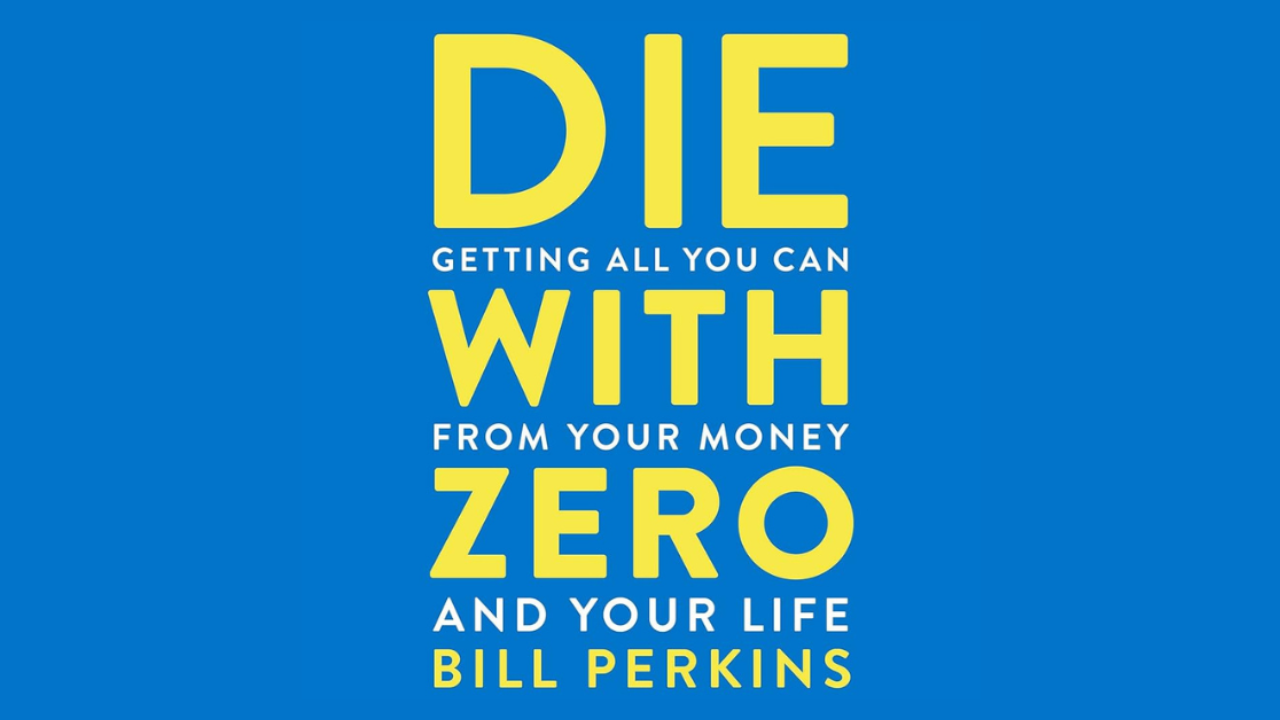
In Die with Zero, Bill Perkins challenges one of modern culture’s most accepted financial assumptions: that the goal of life is to accumulate as much wealth as possible before death. Instead, Perkins argues that money should be intentionally converted into meaningful experiences, relationships, and memories throughout life rather than endlessly preserved for the future.
The book has resonated with many readers because it exposes a real problem. Countless people sacrifice their health, relationships, and peace in pursuit of “someday,” only to discover later that they delayed living for too long. In many ways, the book serves as a needed critique of financial idolatry and obsessive wealth accumulation.
At the same time, the book’s worldview ultimately falls short because it lacks a biblical understanding of stewardship, eternity, and the purpose of wealth. Some of its ideas align surprisingly well with Scripture. Others move directly against it.
Where the Book Aligns with Scripture
One of the strongest aspects of Die With Zero is its rejection of greed-driven accumulation. Scripture repeatedly warns against storing up wealth as an ultimate goal.
Jesus tells the parable of the rich fool in Luke 12, a man who built bigger barns to store his possessions, only to die before enjoying them. God’s rebuke is striking: “You fool! This very night your life is demanded of you.”
Perkins makes a similar point. Many people spend their lives accumulating money they will never meaningfully use. In this sense, the book correctly identifies that wealth can become an idol disguised as wisdom.
The book also rightly emphasizes the value of time. Scripture consistently reminds believers that life is temporary and limited. Psalm 90:12 says, “Teach us to number our days carefully so that we may develop wisdom in our hearts.” Perkins’ focus on the reality of aging and declining health reflects this biblical awareness that opportunities are seasonal.
Another area of alignment is the emphasis on relationships and shared experiences. Scripture consistently prioritizes people over possessions. Meaningful memories with family, generosity toward others, and investing in relationships are far more valuable than endless accumulation. In that sense, the book pushes against a consumer mindset that often leaves people wealthy financially but impoverished relationally.
Perkins also challenges readers to give earlier rather than waiting until death. While the Bible does not prescribe a particular inheritance strategy, Scripture does celebrate generosity that actively blesses others in the present. There is wisdom in recognizing that money can often do more good while the giver is alive and engaged.
Where the Book Conflicts with Scripture
Despite these strengths, Die With Zero ultimately operates from a worldview centered primarily on maximizing personal fulfillment. That is where the tension with Scripture becomes clearest.
The Bible never presents fulfillment or experience optimization as life’s highest goal. Instead, Scripture teaches that life’s ultimate purpose is to glorify God and faithfully steward what He has entrusted to us. Money is not merely a tool for maximizing experiences. It is a resource entrusted by God for His purposes.
This distinction matters deeply.
Perkins often frames money in terms of extracting the maximum enjoyment from life before time runs out. While Scripture certainly allows for enjoyment, it repeatedly warns against building life around pleasure itself. Ecclesiastes explores the emptiness of pursuing fulfillment apart from God, concluding that earthly pleasures alone cannot sustain the soul.
The book also risks undervaluing long-term provision and legacy. Proverbs consistently praises wise preparation and intergenerational stewardship. Proverbs 13:22 states, “A good man leaves an inheritance to his grandchildren.” The biblical vision is not reckless accumulation, but neither is it the intentional depletion of resources simply to avoid dying with excess wealth.
In addition, the phrase “die with zero” can subtly encourage a mentality that views money primarily through the lens of personal consumption. Scripture calls believers to hold resources with open hands, not only for experiences, but also for generosity, ministry, care for others, and future responsibilities.
The greatest weakness of the book is not financial; it is theological. The book largely assumes this life is the primary horizon for meaning. Scripture consistently points beyond this life toward eternity. Jesus commands believers in Matthew 6:20 to “store up for yourselves treasures in heaven.”
That eternal perspective radically reshapes financial decisions.
Christians are not merely maximizing life experiences before death. They are stewarding temporary resources in light of eternal realities.
A Better Biblical Framework
The greatest contribution of Die With Zero may be the questions it forces readers to ask:
- Am I postponing life unnecessarily?
- Has wealth accumulation become my identity?
- Am I sacrificing relationships for financial goals?
- Am I stewarding time wisely?
Those are valuable questions.
But Scripture offers a more complete framework than either extreme:
- not reckless spending
- not fearful hoarding
Instead, the Bible calls for faithful stewardship.
That means:
- enjoying God’s gifts with gratitude
- planning wisely for the future
- caring for family
- giving generously
- investing in eternal things
- and refusing to make money either our security or our purpose
The Christian goal is not to die with zero.
It is to die faithful.